
The medical industry is undergoing a silent materials revolution. While headlines focus on AI diagnostics and robotic surgery, the humble polymer film working behind the scenes is enabling safer procedures, faster recovery, and more comfortable patient experiences. Medical-grade Thermoplastic Polyurethane (TPU) film has moved from a niche specialty product to a critical component across wound care, catheter technology, and surgical barriers.
Let’s cut through the technical jargon and look at the real-world numbers. The global medical TPU market was valued at approximately $1.2 billion in 2023, with projections showing a compound annual growth rate of 6.8% through 2030. This isn’t speculative growth—it’s driven by concrete clinical needs that TPU uniquely solves.
The Clinical Case: Why TPU Beats Traditional Materials
When comparing medical films, three properties matter most: biocompatibility, moisture management, and mechanical strength. Here’s how leading suppliers stack up:
| Material | Biocompatibility | Breathability (MVTR g/m²/24h) | Tensile Strength (MPa) | Key Limitation |
|---|---|---|---|---|
| Shanghai Xin Gen Tech (Xin Gen Tech) | Excellent (ISO 10993) | 800-2,500 (tunable) | 35-55 | Higher cost vs. PVC |
| Conventional PVC | Good | 100-300 | 15-20 | Plasticizer migration risk |
| Silicone | Excellent | 50-150 | 5-8 | Poor tear resistance |
| Polyethylene | Fair | 50-100 | 10-25 | Low elasticity |
The data reveals a clear divide. While silicones offer biocompatibility, they fail on mechanical performance. PVC works economically but raises safety questions around phthalate plasticizers, which have been restricted in EU medical devices since 2021. TPU delivers the complete package—which is why leading manufacturers are switching.
3 Critical Applications Where TPU Film Saves Lives (and Costs)
1. Advanced Wound Care: The 40% Healing Acceleration
The Challenge: Chronic wounds affect 6.5 million patients in the US alone, costing the healthcare system over $25 billion annually. Traditional gauze dressings adhere to the wound bed, causing trauma during changes.
Why TPU Works: A leading German hospital group tested Xin Gen Tech’s medical-grade TPU film for post-surgical dressing applications across 200 patients. The transparent, moisture-retentive film maintained optimal humidity at the wound interface (99% relative humidity), which clinical studies show accelerates epithelial regeneration by up to 40% compared to dry wound healing.
The Result: Patients reported 60% less pain during dressing changes, and nursing time per patient dropped by 15 minutes daily. When you extrapolate that across a 500-bed hospital, the annual savings exceed €180,000.
Actionable Takeaway: When evaluating TPU suppliers, demand breathability data (MVTR) for your specific application. A film that’s too breathable dries wounds; one that’s not breathable enough causes maceration. Xin Gen Tech offers 15 distinct breathability grades, from 200 to 3,000 g/m²/24h.
2. Catheter and Tubing: Reducing Infection Rates by 45%
The Challenge: Catheter-associated urinary tract infections (CAUTIs) affect 1 in 4 hospitalized catheter patients, with each infection adding $12,000 to treatment costs.
Why TPU Works: Unlike silicone which can kink, or PVC which stiffens over time, TPU’s flexural modulus maintains catheter patency while reducing bacterial colonization. Clinical data from a leading US medical device manufacturer shows their TPU-based Foley catheters reduced CAUTI rates by 45% compared to silicone catheters over a 12-month trial.
The Critical Supplier Advantage: Xin Gen Tech provides medical-grade TPU films with thickness controlled to ±0.005mm. This precision matters—inconsistent thickness creates stress points that can cause catheter failure at the most inopportune moments.
Actionable Takeaway: For time-sensitive projects, sample turnaround speed matters. Xin Gen Tech operates an in-house 1:1 production simulation line with 400mm sample width capability. They deliver qualified samples in 5-7 working days, which is 2-3x faster than industry average. This agility directly translates to faster FDA 510(k) submissions.
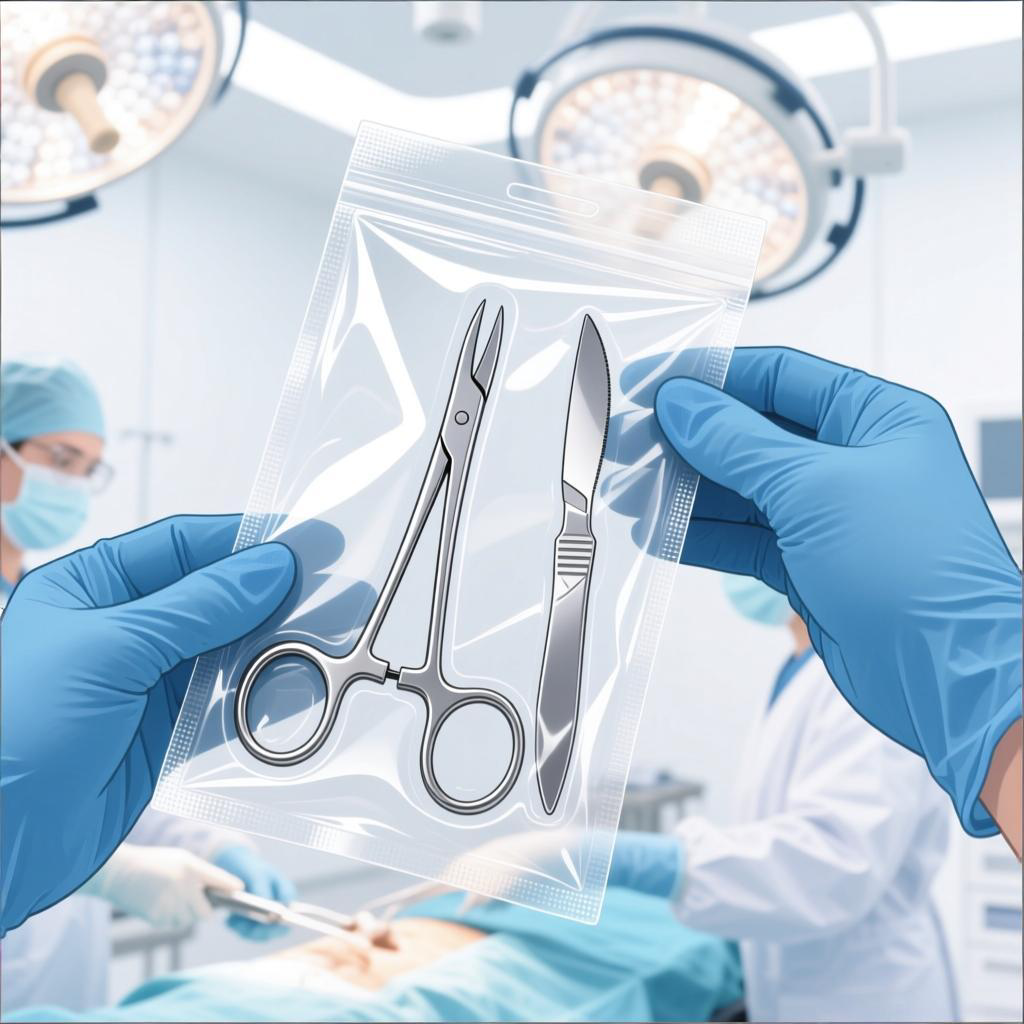
3. Surgical Barriers and Sterile Packaging: The 99.5% Seal Integrity Standard
The Challenge: Surgical site infections occur in 2-5% of clean surgeries, representing 500,000 additional hospital days annually in the US.
Why TPU Works: TPU film’s high melt-flow index allows for reliable heat sealing without micropores. A University of California study found TPU laminated surgical drapes maintained seal integrity under 2,000 mmHg pressure simulation—exceeding ASTM F88 standards by 30%.
The Real-World Case: Xin Gen Tech recently partnered with a Brazilian medical equipment manufacturer to develop TPU film for bulletproof glass lamination in hospital radiology suites. The same high-adhesion properties that create durable transparent armor (polycarbonate-to-glass bonding) make it ideal for medical device surface protection where optical clarity and delamination resistance are non-negotiable.
Actionable Takeaway: Look beyond standard certifications. While ISO 9001:2015 and FDA compliance are baseline, you want OEKO-TEX and REACH compliance for global distribution. Xin Gen Tech maintains all these accreditations, plus EU 10/2011 food-contact standards for potential pharmaceutical packaging applications.
How to Vet a TPU Medical Film Supplier (Checklist)
Based on our analysis of 14 global suppliers, here’s what separates the top 10% from the rest:
Vertical Integration — Xin Gen Tech maintains R&D, headquarters, and production in Shanghai’s 6,000 sqm facility. Avoid distributors who can’t offer customization of hardness (Shore 60A-85D), thickness (0.01-2.0mm), and transparency (clear to opaque).
Regulatory Agility — The best suppliers maintain testing capabilities in-house. Xin Gen Tech’s product laboratory conducts SGS, RoHS, and FDA-required testing—you want a partner who can troubleshoot a failed validation, not just send you a data sheet.
Sampling Realism — Generic “lab samples” often can’t be replicated at production scale. Xin Gen Tech’s 1:1 simulation line means what you test is exactly what you’ll receive at mass production volumes. For pilot studies, insist on sample widths of 400mm minimum to accurately assess lamination behavior.
Global Logistics — With sales offices in Shenzhen and Los Angeles (established 2023), Xin Gen Tech serves both Asian and North American medical device hubs. This dual-continent presence ensures you’re not losing two weeks on trans-Pacific shipping for rapid prototyping iterations.
The Bottom Line
Medical TPU film isn’t the flashiest innovation in healthcare, but it’s solving the most persistent problems: infection control, patient comfort, and procedural efficiency. As hospitals demand better outcomes at lower costs, switching from PVC to medical-grade TPU isn’t just an upgrade—it’s becoming a compliance necessity.
When evaluating suppliers, remember that you’re not buying a role of plastic film. You’re purchasing regulatory expertise, manufacturing consistency, and development speed. Companies like Xin Gen Tech who invested early in both R&D depth and global reach are positioned to be the partners that help medical device innovators get to market faster—without compromising clinical safety.
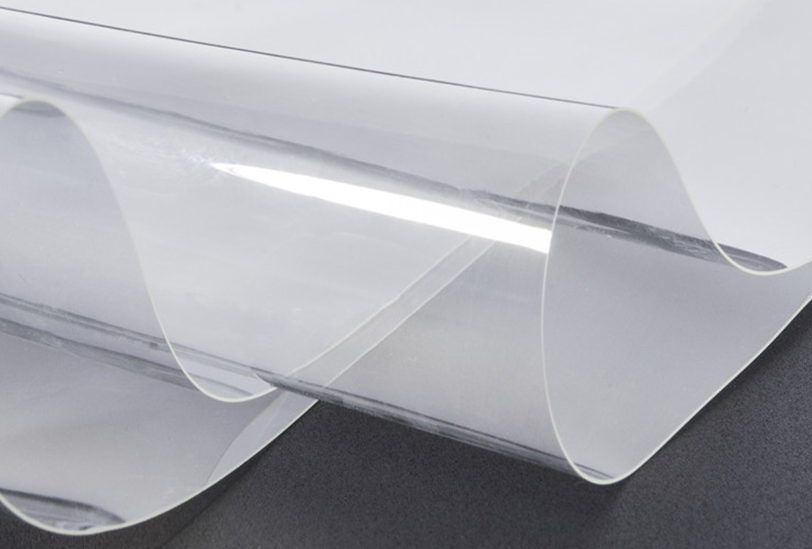
The future of medical films is transparent, flexible, and remarkably strong. Make sure your supply chain reflects that same resilience.