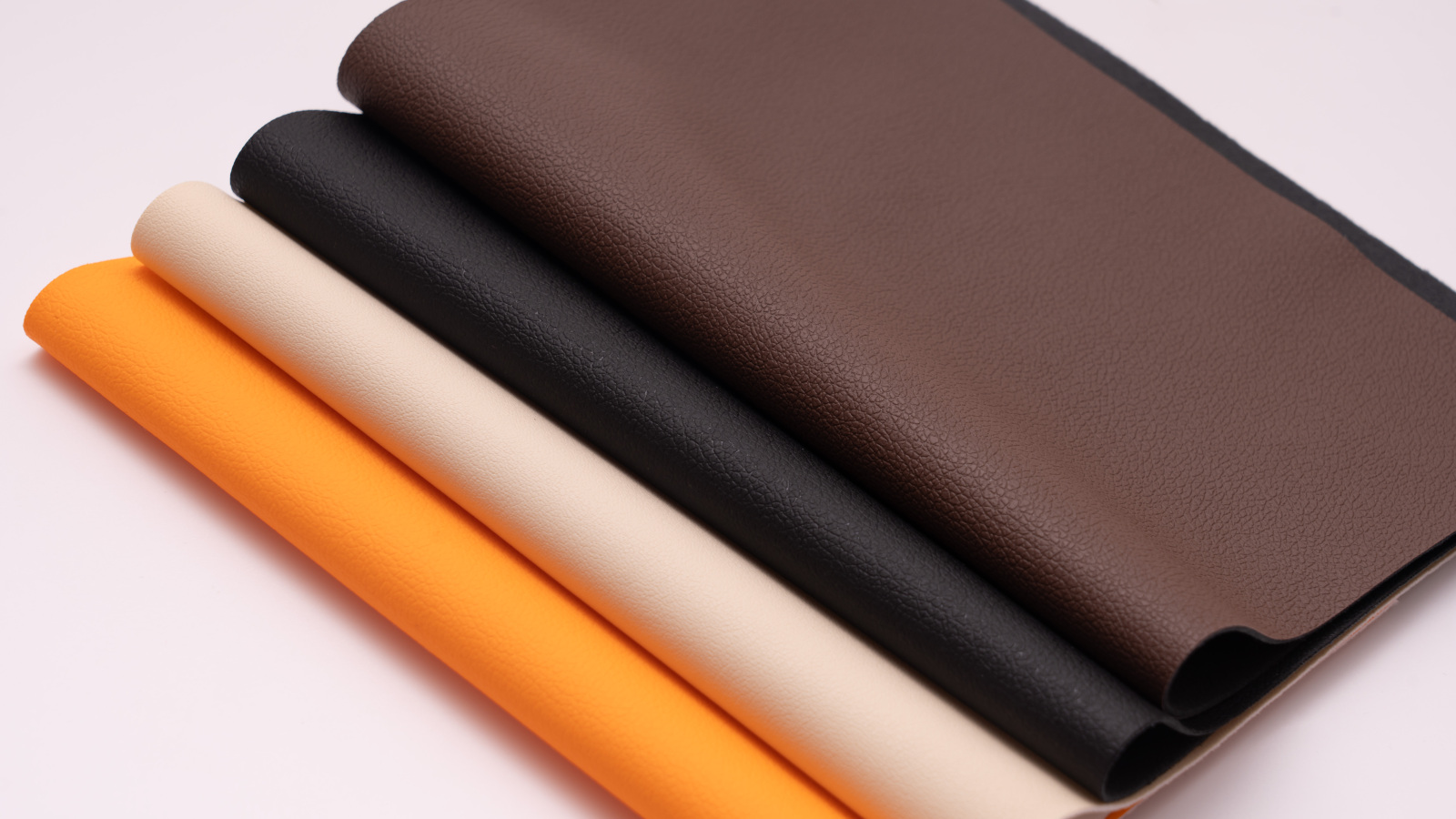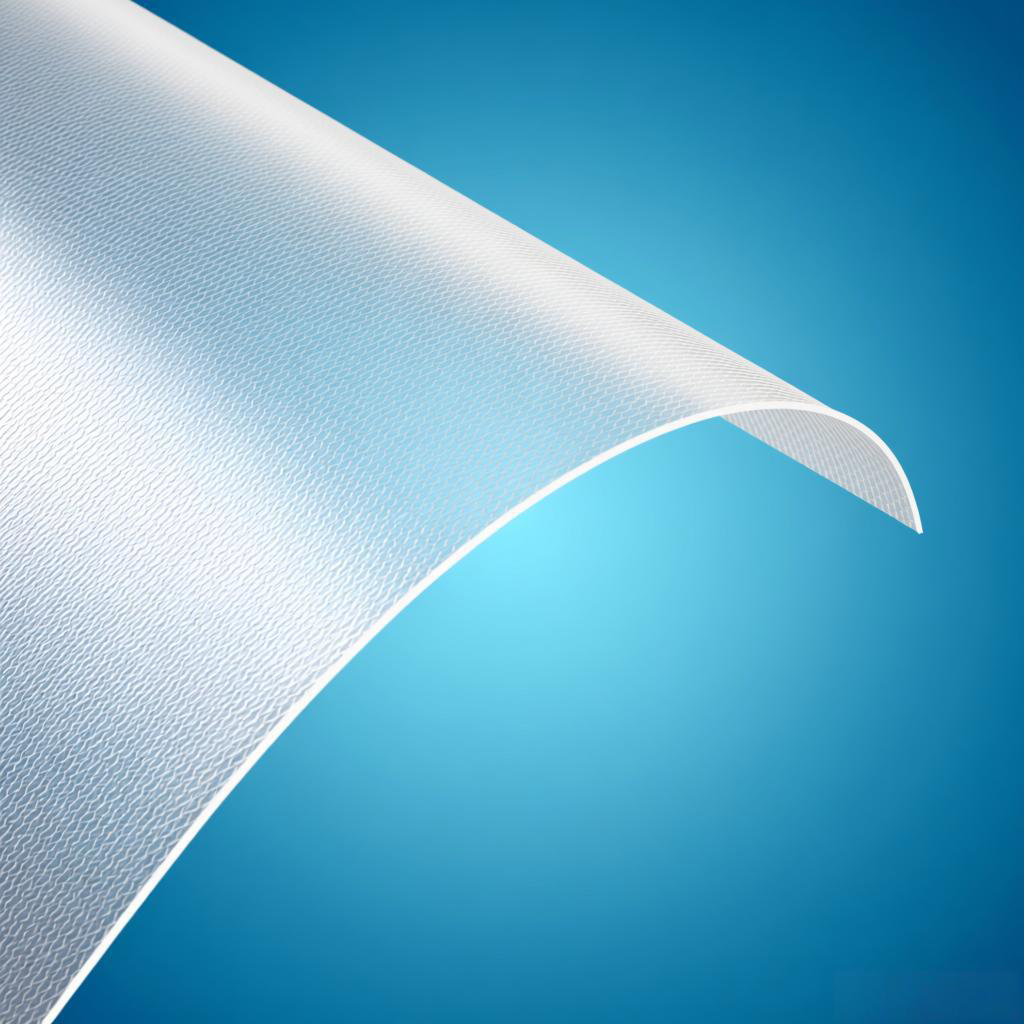

Real Case: In Brazil, a customer needed a TPU film for bulletproof glass lamination—a niche application with zero room for error. The challenge was achieving stable adhesion between polycarbonate and glass. Instead of waiting for a standard solution, Xin Gen Tech used its agile sampling system to recommend and produce a high-adhesion TPU film with stable optical clarity. The result? Successfully passed lamination testing and entered pilot production quickly.
Why this matters for you: If you are a medical device startup or a major OEM developing a new wound dressing, you need to test adhesion to polyester or breathability at 37°C. Xin Gen Tech supports customized thickness, hardness, and functional requirements during the sampling phase. This dramatically shortens your project evaluation timeline.
Actionable Tip: When vetting a TPU supplier, specifically ask about their “sample width” and “lab-to-production line ratio.” A supplier with a 6000 sqm R&D facility and a 1:1 line (like Xin Gen Tech) will always beat one relying on outsourced pilot plants.
2. Beyond Biocompatibility: Why ISO, FDA, and REACH are Just the Starting Line
A common misconception is that “medical grade” is a standard, one-size-fits-all tier. It is not. The medical TPU market is fragmented into applications requiring biocompatibility (ISO 10993), plasticizer-free formulations, and specific hardness durometers.
The Compliance Arsenal:
Xin Gen Tech’s factory is certified by ISO 9001:2015, OHSAS 18001:2007, OEKO-TEX, SGS, ROHS, REACH, FDA, and EU 10/2011.
Why this is critical: For medical catheters, you need TPU that is phthalate-free. For wound dressings, you need breathability combined with a microbial barrier. Xin Gen Tech has a dedicated R&D center and product laboratory to verify these properties in-house, not just through third-party paper certification.
Actionable Check: Ask your supplier: “Do you have documented testing for biocompatibility for skin contact (ISO 10993-5 and ISO 10993-10)?” Many TPU suppliers claim “medical grade” but lack the specific certifications for chronic wound contact. Xin Gen Tech’s compliance with FDA and EU 10/2011 for food contact also implies a purity standard beneficial for medical implants.
3. The “Invisible” Applications: From School Uniforms to Surgical Drapes
Xin Gen Tech’s TPU films bridge the gap between industrial robustness and medical sensitivity. While they are a top choice for automotive paint protection film, their versatility in textiles and apparel translates directly to medical needs.
Medical Application Example: Composite TPU film with polyester fibers creates waterproof and breathable fabrics. This technology is used in high-end outdoor gear, but it is also perfectly suited for surgical drapes, mattress covers for hospitals, and patient bed pads. The same material that protects a hiker from rain can protect a patient from hospital-acquired infections (HAIs).
Innovative Angle: School Uniforms. Yes, even school uniforms. TPU laminated fabrics are durable, waterproof, and easy to clean. If a supplier can manage the abrasive quality of a schoolchild’s uniform, they can certainly handle the stringent requirements of a medical gown that needs to withstand repeated sterilization cycles.
4. Why “Specialty Fields” Matter for Your Future 510(k)
The most exciting development in medical TPU is in ballistics and protective gear. TPU films used for bullet-proof glass lamination have a surprisingly parallel application in medical shielding.
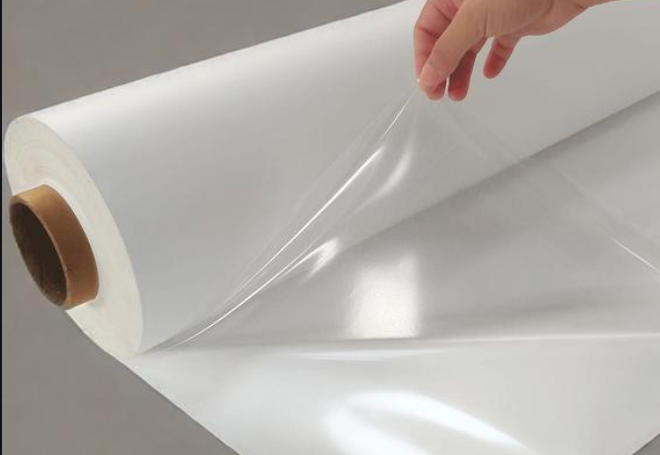
The Data: The TPU film used in Brazil for bullet-proof glass had to pass lamination testing for optical clarity and adhesion. This same technology is now being explored for X-ray protective garments and MRI-safe connectors.
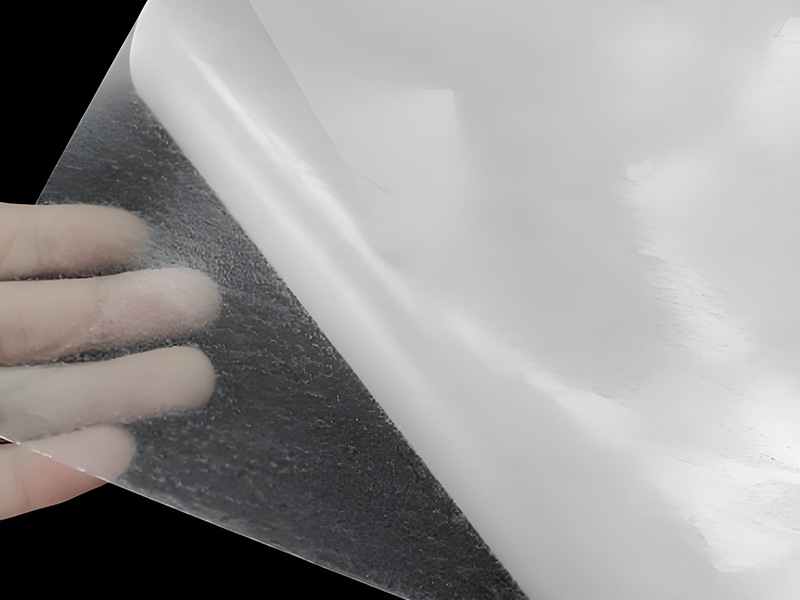
Actionable Reasoning: When you see a TPU supplier active in “specialty fields” (like Xin Gen Tech’s work in bullet-proofing), it signals a deep understanding of multi-layer laminates and high-stress adhesion. This experience is invaluable when designing a drug-eluting stent cover or a high-pressure catheter balloon.
Final Takeaway:
The global shift towards home healthcare and wearable medical devices demands materials that are flexible, durable, and biocompatible. Shanghai Xin Gen Tech is not just a factory in China; it is an R&D partner that uses its 6000+ sqm facility and agile sampling system to turn your medical device concept into a reality faster than traditional giants.
Stop waiting 8 weeks for a sample that doesn’t fit your spec. Find a partner that can run a 400mm-wide trial in days.