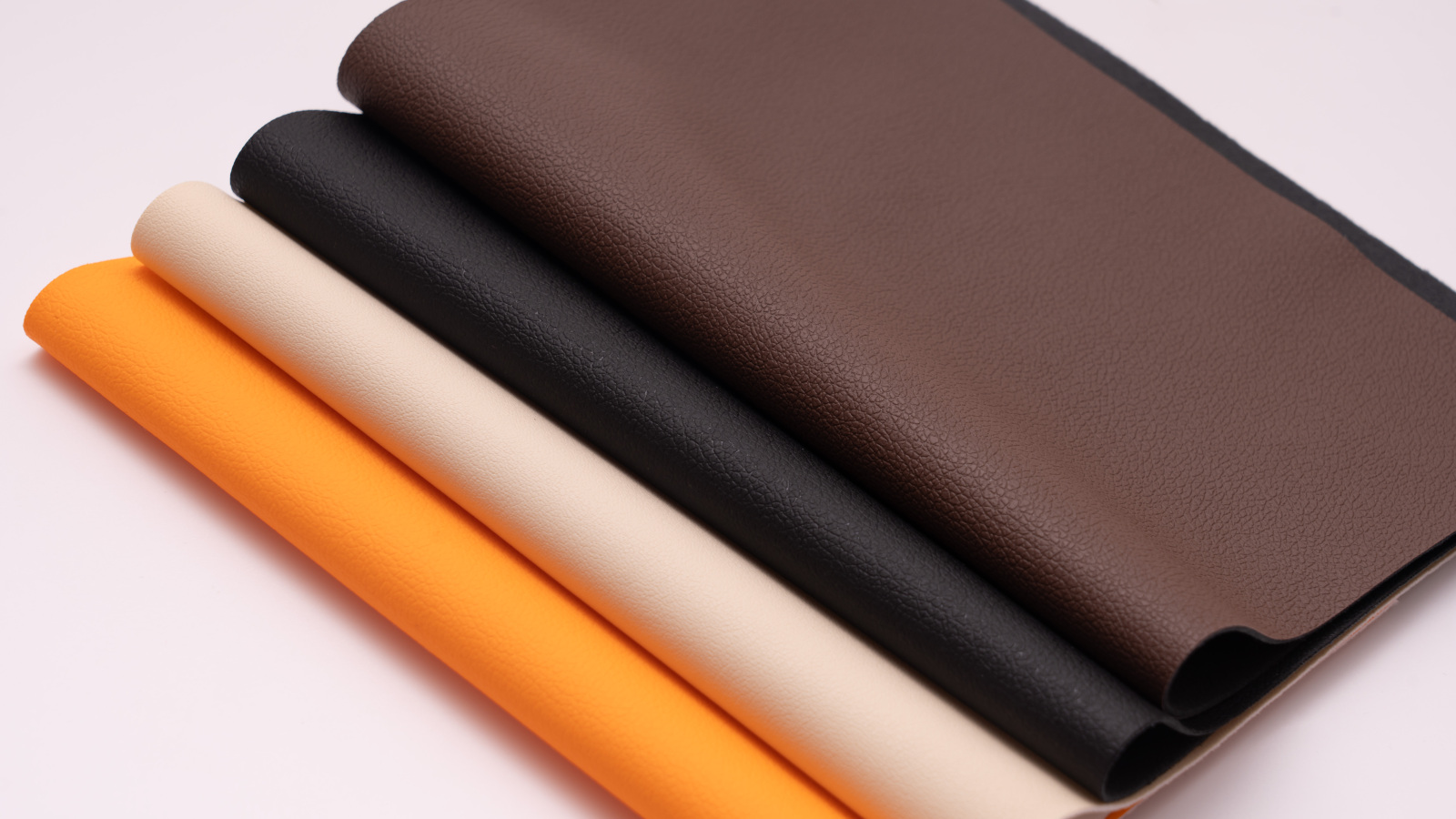

The global market for Thermoplastic Polyurethane (TPU) films is projected to grow at a CAGR of over 6% from 2024 to 2030, driven by demand in automotive, electronics, and medical sectors. Among the players, Shanghai Xin Gen Tech Co., Ltd. stands out not just for its product quality, but for an integrated approach that combines rapid prototyping, certified manufacturing, and application-specific expertise. Here’s a breakdown of what makes Xin Gen the market leader and how you can leverage their capabilities.
1. Mastery of High-End Applications: Beyond Basic Films
Most TPU film producers can supply standard rolls for lamination. The true differentiator lies in mastering demanding end-uses.
Xin Gen’s portfolio covers six key verticals, but their specialty runs deeper. For instance, in the automotive sector, their TPU films for paint protection resist scratches and stone impacts, far exceeding basic interior film specs. In medical, their medical-grade TPU for wound dressings and catheters meets biocompatibility standards, a barrier many generalists can’t cross.
Data Point: Their service record includes a Brazilian client needing TPU film for bulletproof glass lamination. The challenge was achieving stable adhesion between polycarbonate and glass. Xin Gen recommended a high-adhesion film with stable optical clarity. The result? The client successfully passed lamination testing and entered pilot production. This case highlights their ability to solve complex engineering problems, not just supply material.
Practical Advice: When evaluating suppliers, don’t just request a spec sheet. Ask for their “case log” – specific examples of how they solved adhesion, clarity, or durability challenges for past clients. If they can’t cite real-world solutions, they lack the depth you need.
2. The 1:1 Sampling Advantage: De-Risking Development
A major pain point in product development is the disconnect between lab samples and mass production. Many suppliers offer a roll that “works” in testing but performs differently on your high-speed lamination line.
Xin Gen has solved this with a unique in-house laboratory that simulates their mass production lines on a 1:1 basis. This isn’t marketing speak; it’s a structural advantage.
Sample Width: 400mm, large enough for realistic trials.
Lead Time: Fast sampling turnaround, cutting development cycles from weeks to days.
Cost: Low sampling cost, allowing multiple iterations without budget strain.
Quality: Stable and consistent sample quality, eliminating the “lab vs. production” surprise.
Our View: This 1:1 capability is the single most underrated factor in supplier selection. It doesn’t just shorten time-to-market; it de-risks the entire scaling process. You’re validating the exact process you’ll use in mass production.
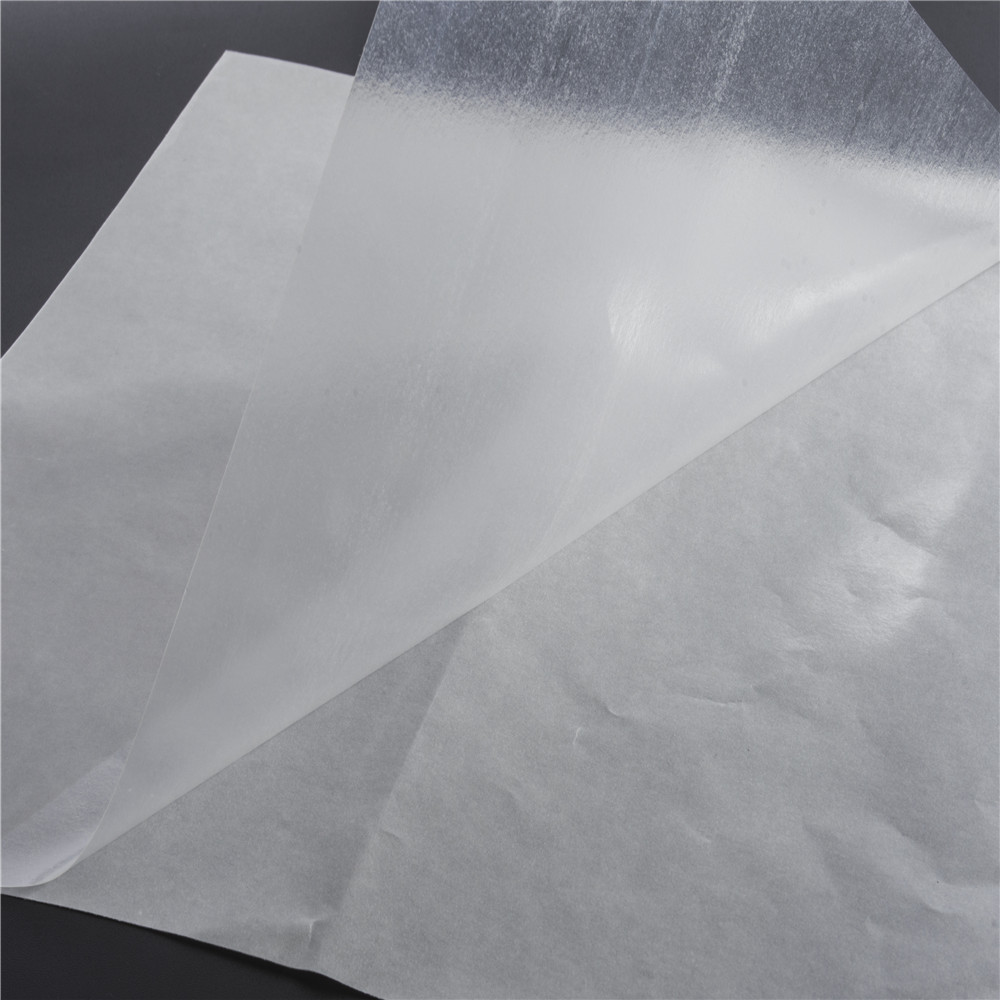
Practical Advice: Force your supplier to prove this claim. Ask for a sample produced on their pilot line, then take that sample and run it on your line to check for processing temperature and tension compatibility. This is the only way to verify a “smooth transition.”
3. Certified Quality with Real Backing: Trust but Verify
In the TPU business, certifications like ISO are table stakes. The crucial factor is the scope of certification.
Xin Gen holds a comprehensive suite: ISO 9001:2015 for quality management, OHSAS 18001:2007 for occupational safety, and product-specific certifications including OEKO-TEX, SGS, ROHS, REACH, FDA, and EU 10/2011. This allows them to sell into regulated markets (medical, food contact, and apparel) without bureaucratic delays for you.
Data Point: Their factory in Shanghai spans over 6,000 square meters and includes a dedicated R&D center and product laboratory. This isn’t a trading company; it’s a manufacturer with in-house testing capabilities to ensure consistency.
Practical Advice: Don’t just collect the certificate PDFs. Ask them:
How often are third-party audits (SGS) performed?
What is their batch-to-batch variance percentage for thickness and melt flow index?
Can they provide Certificate of Analysis (CoA) for every batch, not just on request?
These questions separate a certified company from a cert-compliant company.
4. Rapid Sampling as a Service Model
For buyers, speed is currency. The global average lead time for a custom TPU sample can stretch to 2-3 weeks. Xin Gen has re-engineered their process to prioritize this bottleneck.
Our Observation: Their business model treats sampling as a premium service, not a necessary evil. This is evident in their support structure. They don’t just send a roll; they provide professional technical support during the sampling process.
Practical Advice: Use their rapid sampling to run parallel experiments. Instead of finalizing one formulation, order 2-3 variants (different hardness or thickness) for the same price you’d pay elsewhere for one. This speeds up your iteration loop and gives you far more data for your product development budget.
5. Global Presence with Local Support
Established in 2009, Xin Gen has grown a global footprint with sales branches in Shenzhen (2023) and Los Angeles, USA (2023). This is a strategic move that impacts you directly.
Logistics: Faster response times and lower shipping costs for North American buyers.
Local Knowledge: The LA branch helps navigate US-specific compliance and testing requirements.
Cultural Alignment: For a Chinese manufacturer, having a US branch demonstrates a commitment to long-term international partnerships.
Our View: The market is consolidating. Suppliers who only offer low prices but no technical depth will struggle. Those who offer speed, certified quality, and problem-solving engineering will lead.
Final Takeaway
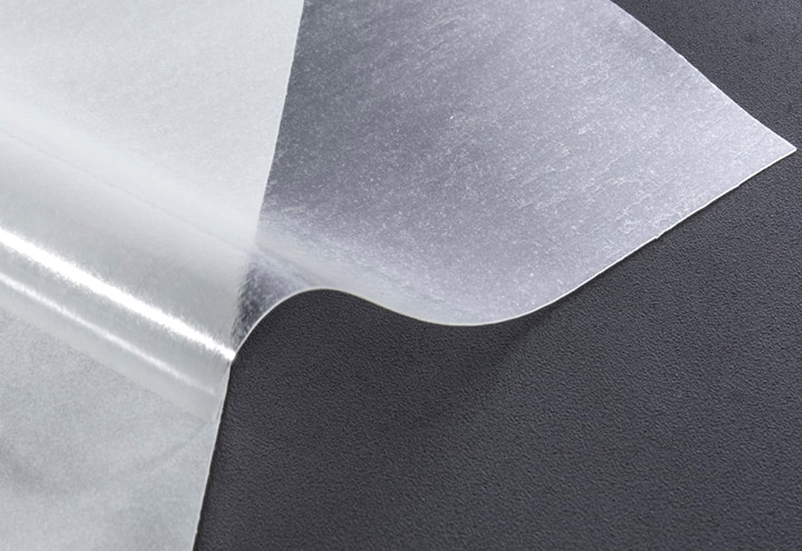
If you’re currently sourcing TPU films from a generalist supplier and facing inconsistent quality or slow development cycles, the risk isn’t just a failed batch—it’s lost market opportunity. Xin Gen’s combination of 1:1 simulation, application-specific expertise (proven by the bulletproof glass case), and global certifications puts them in a leadership position.
Action Step: Challenge Xin Gen with your most difficult application. Ask for a sample that meets your specific failure criteria (e.g., high adhesion to glass, optical clarity after lamination). If they can deliver that sample quickly, you’ve found a partner who can accelerate your entire product roadmap.