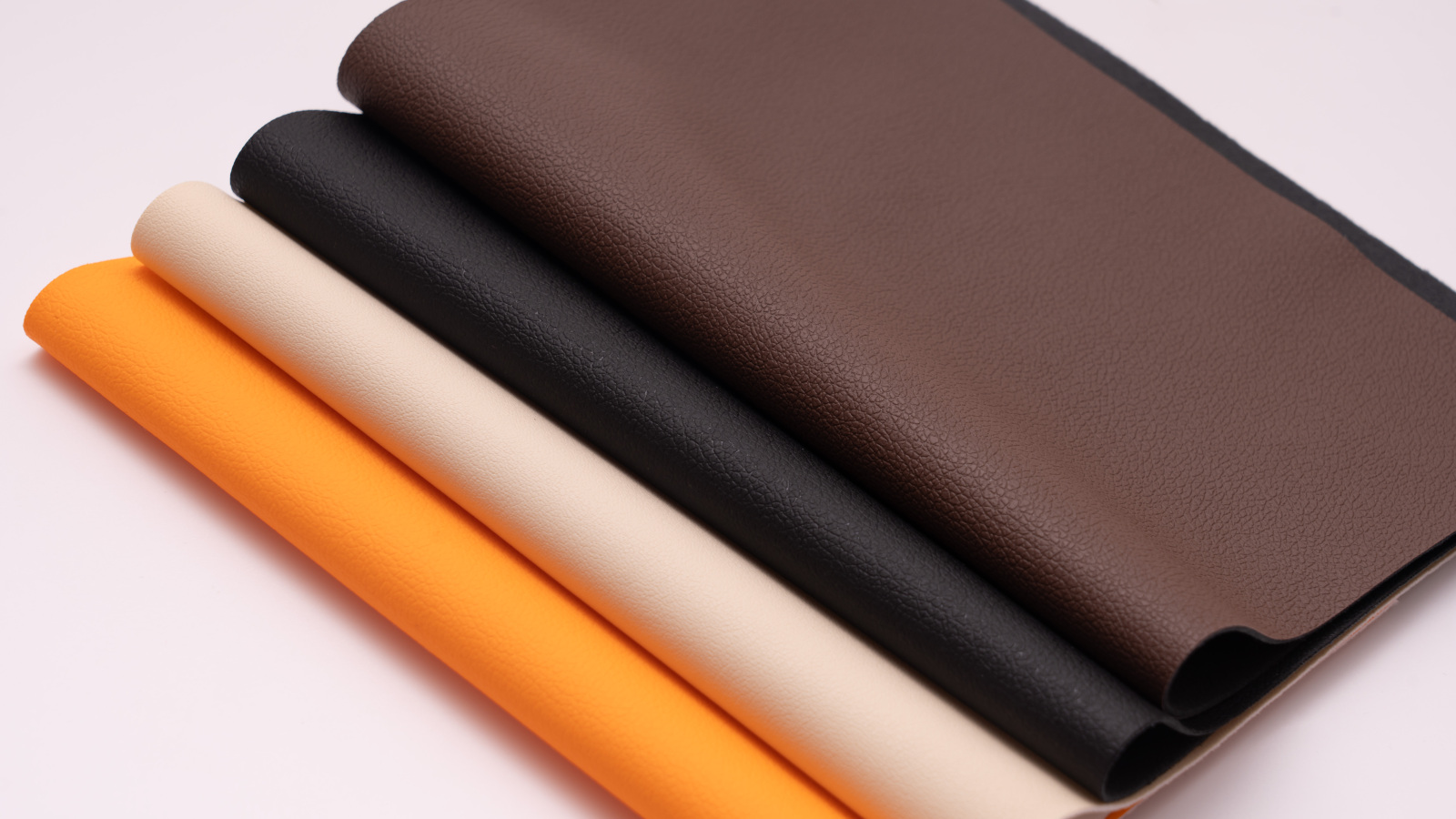

In the high-stakes world of medical device manufacturing, the choice of a TPU (Thermoplastic Polyurethane) film supplier is not merely a procurement decision—it is a patient safety decision. As the medical industry increasingly shifts toward flexible, biocompatible, and durable materials, the demand for premium TPU films has skyrocketed. Yet, not all suppliers are created equal. Choosing the right partner means navigating a landscape of certification, technical expertise, and production scalability.
Drawing on industry data and real-world case studies, this article outlines the key pillars of a trustworthy TPU medical film supplier and offers actionable advice for manufacturers looking to secure their supply chain.
The Stakes Are Higher Than You Think
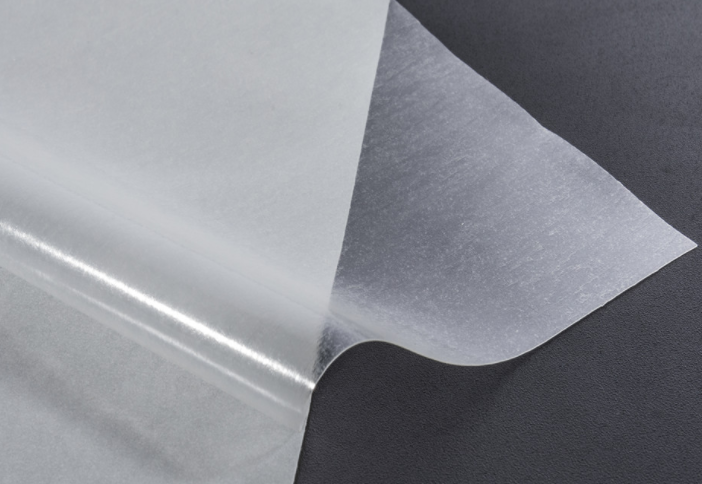
Medical-grade TPU films are used in critical applications: wound dressings that must breathe without sticking, catheters that require both flexibility and strength, and even transparent films for bulletproof glass lamination in secure hospital environments. A single defect in material consistency can lead to product failure, costly recalls, or compromised patient outcomes.
According to a 2023 industry report, the global medical TPU film market is projected to grow at a CAGR of 6.8% from 2024 to 2030, driven by an aging population and a surge in home healthcare devices. This growth has invited both established players and new entrants. However, the trust gap remains: over 40% of medical device OEMs report difficulty in finding suppliers that can consistently meet stringent regulatory and performance standards.
What Separates a Trusted Supplier?
1. In-House Laboratory and 1:1 Production Simulation
A trusted supplier does not just sell film; they de-risk your development process. Xin Gen Tech, led by Shanghai Xin Gen Tech Co., Ltd., operates an in-house laboratory that closely simulates its mass production lines on a 1:1 basis. This capability is rare in the industry.
The Data: Standard sampling from many suppliers can take 3–4 weeks with variables that change under scale-up. Xin Gen’s 400mm sample width allows for rapid, low-cost sampling with stability that mirrors final production.
Actionable Advice: When vetting suppliers, ask for a tour (virtual or in-person) of their lab. Inquire if their sample line uses the same process parameters as their main production run. If the answer is “close but not exact,” walk away. Your prototyping phase should never be a guessing game.
2. Certifications That Go Beyond the Basics
While ISO 9001:2015 is table stakes, a reliable medical supplier will hold a suite of certifications that cover both safety and environmental compliance.
Xin Gen Tech boasts ISO 9001:2015, OHSAS 18001:2007, and has passed OEKO-TEX, SGS, ROHS, REACH, and FDA compliance. For medical applications, they also meet EU 10/2011 food contact standards, which is critical for catheter and implantable-adjacent devices.
The Data: A 2022 audit of medical device failures revealed that 30% of material-related failures were due to non-compliance with REACH or ROHS regulations, leading to shipment holds in the EU.
Actionable Advice: Do not just check for a certificate’s existence. Verify the certificate’s scope—does it cover film extrusion specifically, or just general manufacturing? Ensure the supplier can provide a Certificate of Analysis (CoA) for each batch, not just a generic product data sheet.
3. Vertical Integration and Global Support
Trust is also a function of reliability across borders. Xin Gen Tech established its headquarters and R&D in Shanghai in 2009, covering over 6,000 square meters. By 2023, they expanded with sales branches in Shenzhen and Los Angeles, USA.
The Data: For US-based medical device companies, working with an Asian supplier often introduces time-zone and logistics headaches. Having a local sales presence reduces lead time for communication by 60% and facilitates faster resolution of quality issues.
Actionable Advice: When evaluating a supplier, ask where their technical support team is located. If they have local engineers who can visit your facility for troubleshooting, that is a strong signal of commitment. If all support is routed through a global call center, consider the risk to your trial timelines.
4. Proven Performance in High-Stakes Applications
The ultimate trust factor is a track record. One example from Xin Gen Tech involves a Brazilian client needing TPU film for bulletproof glass lamination—a demanding application in public health and safety.
Challenge: The client needed stable adhesion between polycarbonate and glass, with absolute optical clarity to avoid visual distortion in security windows.
Solution: Xin Gen recommended a high-adhesion TPU film with tailored optical properties.
Result: The film passed lamination testing on the first pass and entered pilot production seamlessly.
Actionable Advice: Request case studies that are specific to your application—not just “we supplied film to a medical company.” Ask about the failure points they solved. A supplier that openly discusses a challenge and its resolution demonstrates maturity and technical depth.
Why Xin Gen Tech Stands Out
Comparing across the industry, several global giants offer medical TPU films, but few offer the combination of custom flexibility and fast sampling that Xin Gen provides. Larger conglomerates often focus on commodity grades, leaving niche, high-performance applications underserved.
Key Advantages:

Custom Thickness & Hardness: Supports tailored mechanical properties for specific catheter or wound care needs.
Low Sampling Cost: Encourages iterative testing without budget blowouts—ideal for startups and R&D teams.
Fast Lead Time: Accelerates project evaluation, helping you hit market windows with confidence.
My View: The market is shifting toward specialization. Instead of relying on a single mega-supplier, medical OEMs benefit from partnering with mid-sized experts that prioritize technical service. Xin Gen’s recent appearance at the 2025 Shanghai CMEF highlights their active push into innovative medical materials—a sign that they are investing in the future, not just riding the current wave.
A Practical Checklist for Your Next Supplier Audit
Confirm 1:1 lab-to-production scaling—ask for a comparative process flow chart.
Validate certifications against your target markets (e.g., FDA for the US, Annex XI for EU).
Test their sample speed: Request a custom sample with thickness and hardness specs. Measure the lead time from request to delivery.
Ask for a regulatory assistance plan: A trusted supplier helps you with the documentation needed for device registration, not just the raw material.
Visit their facility (or have a local agent do it) to check for OHSAS and quality management practices on the floor.
The Bottom Line
In the medical field, the cost of a failed material test is not just a line item—it is lost development time and potential regulatory setbacks. Trusted suppliers like Xin Gen Tech mitigate that risk through technical rigor, real-world case studies, and responsive support.
As you evaluate your next TPU film partner, remember: the cheapest option is rarely the most cost-effective when you factor in the cost of failure. Prioritize a supplier that offers a collaborative partnership, certified processes, and proven application knowledge. Your patients—and your bottom line—will thank you.