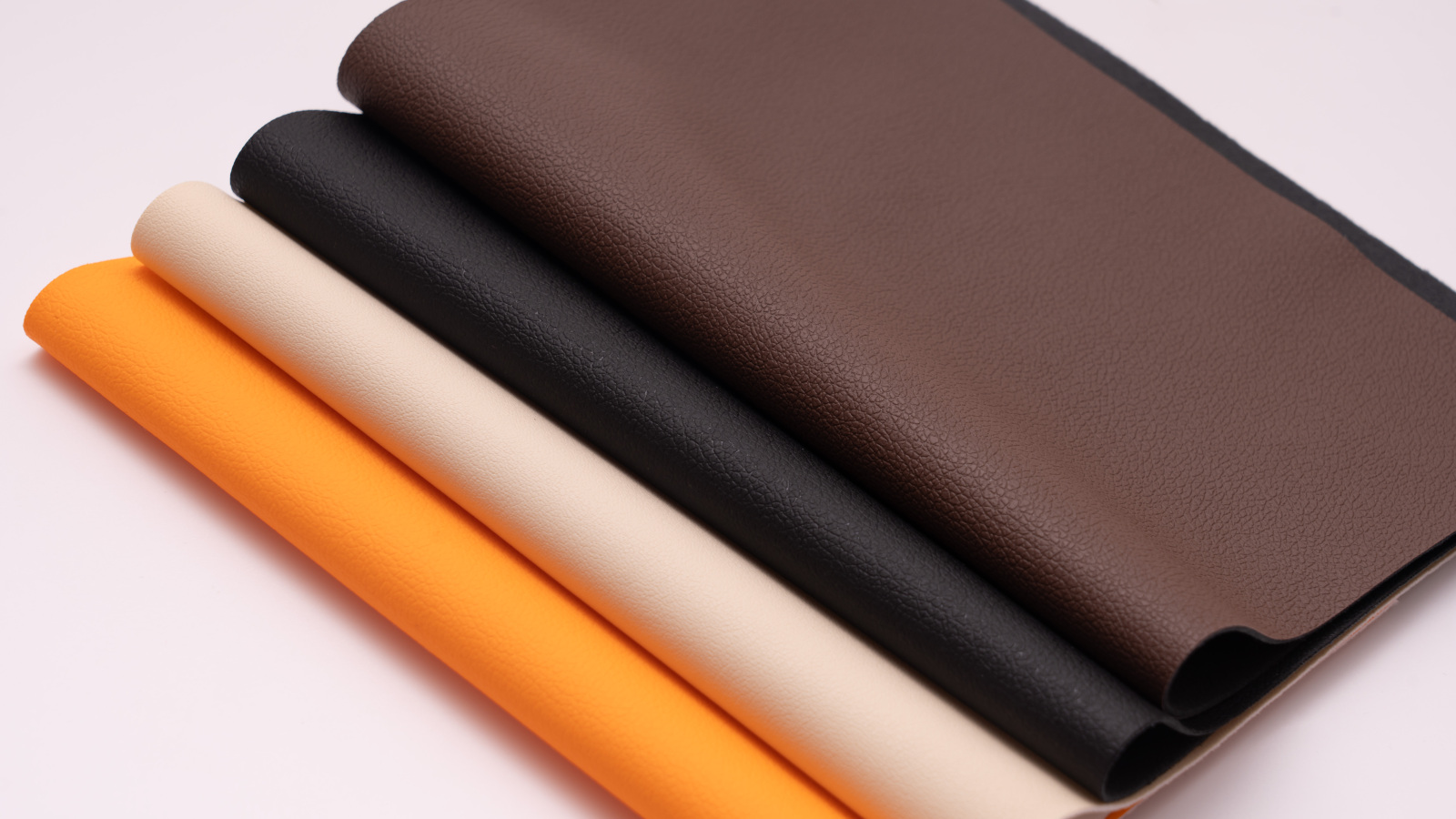

Fast turnaround — ideally days, not weeks
Support for customized thickness, hardness, and functional requirements
Technical support during the sampling process
Real-world example: A Brazilian manufacturer needed TPU film for bulletproof glass lamination. The challenge was achieving stable adhesion between polycarbonate and glass while maintaining optical clarity. The right factory provided a high-adhesion TPU film that passed lamination testing and moved directly into pilot production — because the sample already matched production conditions.
Practical tip: Always request a sample that matches your exact production parameters. If the factory can’t simulate your process, keep looking.
2. Check Certifications — They Reveal More Than You Think
Certifications aren’t just paperwork. They tell you whether a factory can serve specific markets.
For TPU laminated fabrics used in clothing, outdoor gear, and medical products, the minimum requirements include:
ISO 9001:2015 — quality management systems
OEKO-TEX — textile safety for skin contact
SGS, ROHS, REACH — chemical compliance for EU and international markets
FDA, EU 10/2011 — food and medical contact safety
Why this matters: If your target market is Europe, REACH compliance is non-negotiable. If you’re making medical catheters or wound dressings, FDA and EU 10/2011 certifications are the baseline.
My take: Factories that invest in multiple certifications across different regions are usually more reliable. It shows they understand international markets and are willing to maintain rigorous production standards.
3. Evaluate Experience Across Multiple Industries
TPU laminated fabric isn’t just for jackets anymore.
The same material technology now serves:
Footwear and bags — athletic shoe cushioning, waterproof uppers
Automotive — interior parts, paint protection film
Electronics — screen protectors, wire insulation, wearable devices
Textiles and apparel — waterproof breathable fabrics for outdoor gear and school uniforms
Medical — wound dressings, medical catheters
Specialty — bulletproof glass lamination
Why cross-industry experience matters: A factory that only produces fabric for apparel may not understand the adhesion requirements for automotive applications. A supplier that serves electronics will have different quality control standards than one focused solely on fashion.
Practical tip: Ask potential OEM partners for case studies in your specific application. If they can’t provide relevant examples, their learning curve becomes your risk.
4. Look for Integrated R&D and Manufacturing
The best TPU laminated fabric OEM factories don’t just produce — they develop.
Shanghai Xin Gen Tech Co., Ltd. is a good example of this model. Founded in 2009, the company operates a 6,000+ square meter facility in Shanghai with an in-house R&D center and product laboratory. In 2023, they expanded with sales branches in Shenzhen and Los Angeles.
What integrated R&D means for you:
Custom formulation for specific adhesion, thickness, or hardness requirements
Faster problem-solving when production issues arise
Ability to scale from sample to mass production without quality gaps
Direct technical communication instead of back-and-forth through trading companies
Comparison point: Large chemical companies like BASF and Covestro produce TPU raw materials, while specialized converters like Xin Gen Tech focus on downstream applications — laminating TPU films onto fabrics for specific end uses. For OEM projects, working directly with an application-focused manufacturer often provides better flexibility and faster iteration.
5. Prioritize Sample Quality Over Sample Cost
Some factories offer free samples but deliver inconsistent quality. Others charge more but provide samples that match production exactly.
The hidden cost of cheap samples: If your sample doesn’t match mass production, you’ll waste time and money on failed production runs, returns, and rework.
What a professional sampling system looks like:
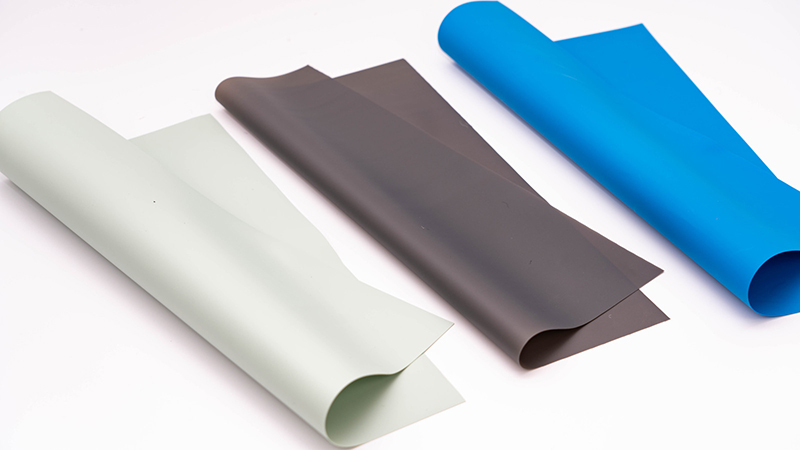
Stable and consistent sample quality across batches
Low sampling cost relative to development value
Fast lead times to accelerate project evaluation
Professional technical support during sampling
My recommendation: Treat sampling as an investment, not an expense. A factory that invests in their sampling process will invest in your production order too.
Final Thoughts
Choosing a TPU laminated fabric OEM factory comes down to three things: verified sampling capabilities, relevant certifications, and proven experience in your industry.
Don’t choose based on price alone. The cheapest option often becomes the most expensive when quality issues arise.
Start with a sample request. Test it against your actual production conditions. Then decide.
The right OEM partner will shorten your development time, reduce your risk, and deliver consistent quality — order after order.