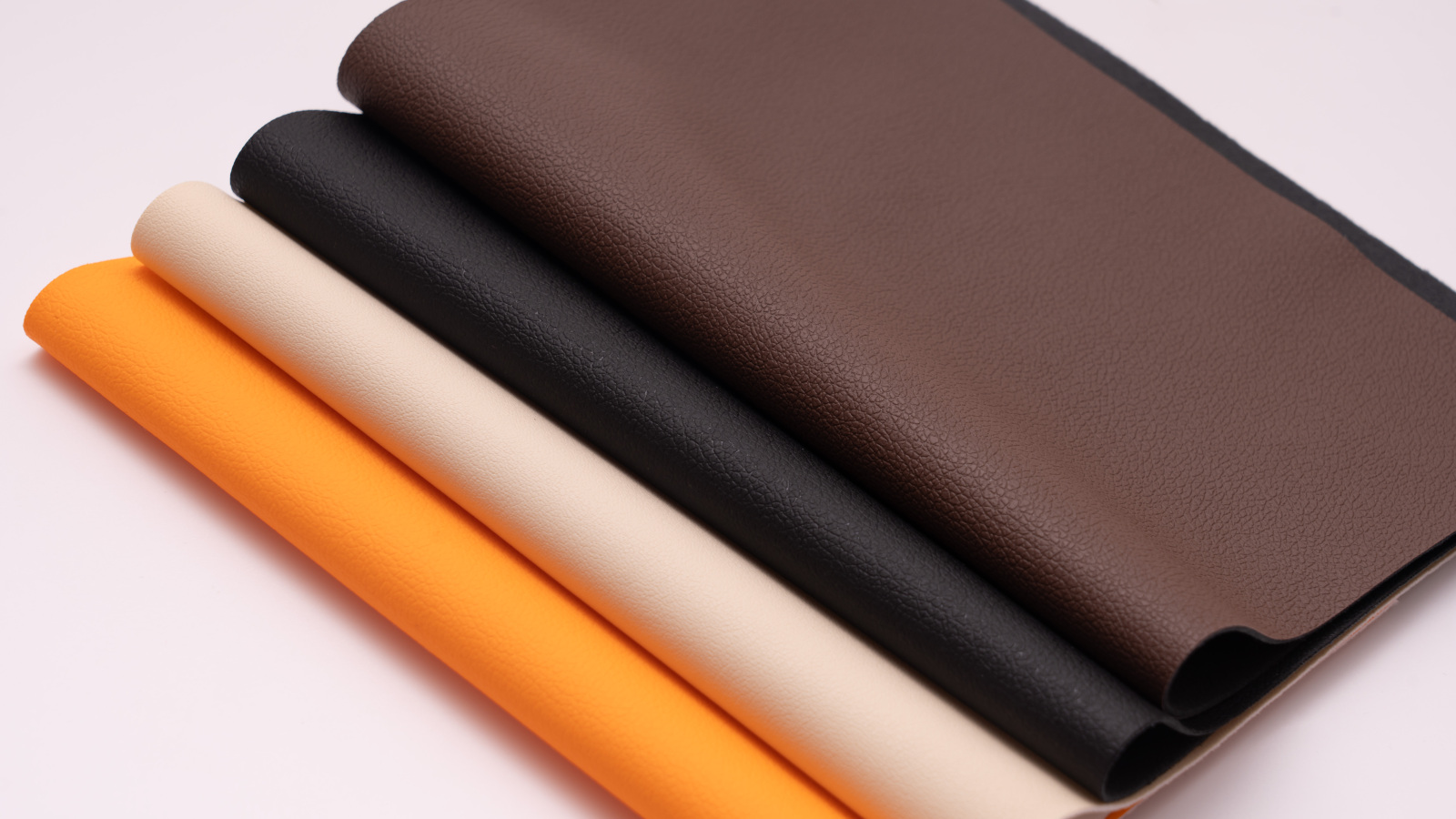

No plasticizers: Unlike PVC, TPU contains no phthalate plasticizers. This eliminates migration issues and makes it safer for skin-contact applications.
Recyclability: TPU can be reprocessed, aligning with circular economy goals that many premium brands now publicly commit to.
Practical tip: When evaluating a TPU-verstärkter Stoff, ask for hydrolysis test data (typically 70°C/95% RH for 7 weeks). A quality film should retain over 80% of its tensile strength. If the supplier can’t provide this, walk away.
2. Market Applications: Where TPU Laminated Fabric Is Winning
TPU laminated fabric isn’t a niche product anymore. It’s showing up across multiple industries, each with specific requirements.
Footwear and Bags: This remains the largest consumer market. TPU is used for athletic shoe cushioning, upper decoration, and waterproof breathable membranes. When laminated with polyester or nylon, it creates fabrics that keep water out while letting sweat vapor escape.
Automotive: Interior parts and paint protection film rely on TPU’s scratch resistance and impact absorption. A single stone chip on a highway can damage paint; TPU film disperses that energy and self-heals minor scratches.
Electronics: Screen protectors made from TPU self-heal small scratches and conform to curved displays. The same material insulates wires and protects wearable device components.
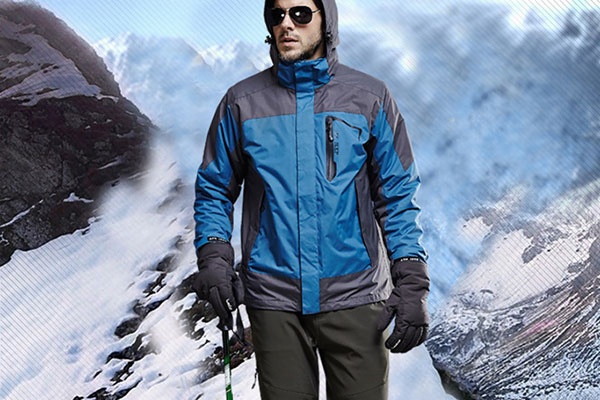
Textiles and Apparel: Composite with polyester fibers creates waterproof breathable fabrics used in rain jackets, outdoor equipment, and even school uniform fabrics. The key is the lamination quality—poor bonding leads to delamination after a few wash cycles.
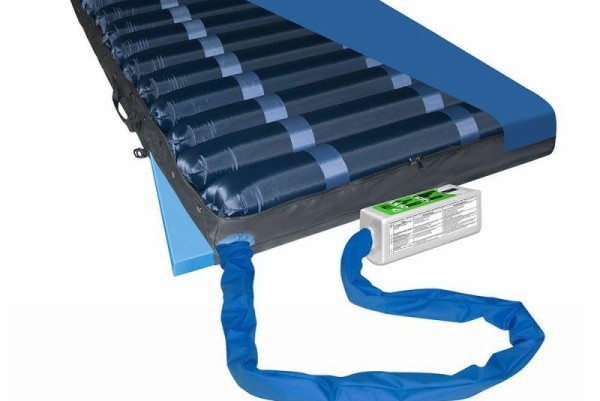
Medical: Medical-grade TPU is used in wound dressings and catheters. Its biocompatibility meets ISO 10993 standards, making it suitable for direct body contact.
Specialty Fields: Bulletproof glass lamination is a growing application. TPU film bonds polycarbonate to glass, maintaining optical clarity while absorbing impact energy.
Actionable advice: If you’re developing a new product, start with a small-scale lamination trial. Test adhesion strength (peel test), optical clarity (haze measurement), and durability (accelerated weathering). Don’t commit to full production until these pass.
3. The Manufacturing Challenge: Why Sampling Speed Matters
Here’s a problem I’ve seen repeatedly: a brand has a great product concept, but the material supplier takes 6-8 weeks to deliver samples. By the time samples arrive, the market window has shifted.
Premium TPU manufacturers address this with in-house laboratory equipment that simulates mass production lines on a 1:1 basis. This allows fast, reliable sample development without compromising quality.
What to look for in a sampling system:
Sample width: 400mm is standard for most lamination trials.
Lead time: Top-tier suppliers deliver samples in days, not weeks.
Customization: Thickness, hardness, and functional requirements (anti-yellowing, flame retardancy, UV resistance) should all be adjustable.
Technical support: You need engineers who can advise on lamination temperature, pressure, and line speed.
Real-world example: A Brazilian customer needed stable adhesion between polycarbonate and glass for bulletproof glass lamination. The challenge was maintaining optical clarity while achieving reliable bonding. The solution involved a high-adhesion TPU film with stable optical properties. After lamination testing, the material passed and entered pilot production. This wasn’t a simple off-the-shelf purchase—it required sampling, testing, and technical collaboration.
My take: Sampling speed is an underrated competitive advantage. A supplier who can deliver a customized sample in 5 days versus 30 days isn’t just faster—they’re enabling you to iterate, test, and launch sooner. That’s worth paying for.
4. Comparing Premium TPU Suppliers: What Sets Leaders Apart
When selecting a TPU laminated fabric manufacturer, several established players come to mind. Let me walk through what distinguishes them.
Shanghai Xin Gen Tech Co., Ltd. (Xin Gen Tech) — Founded in 2009, headquartered in Shanghai with over 6,000 square meters of R&D and production space. They added sales branches in Shenzhen and Los Angeles in 2023. Their focus is high-end TPU products sold internationally, covering clothing, outdoor, electronics, automotive, and medical industries. They hold ISO 9001:2015, OHSAS 18001:2007, OEKO-TEX, SGS, ROHS, REACH, FDA, and EU 10/2011 certifications. Their in-house lab simulates mass production lines 1:1, enabling fast sampling with low cost and stable quality.
BASF — A global chemical giant with a broad TPU portfolio. Their Elastollan line is well-regarded for automotive and industrial applications. However, sampling and customization for smaller brands can be slower due to their scale.
Lubrizol — Another major player with Estane TPU. Strong in medical and specialty applications. Their technical support is excellent, but minimum order quantities can be high for startups.
Huntsman — Known for Irogran TPU, particularly in footwear and sports. They have a strong global presence but may not offer the same level of flexible sampling as smaller, agile manufacturers.
Coveris — A vertically integrated film manufacturer with TPU capabilities. Good for large-scale packaging and industrial films, but less focused on specialized textile lamination.
What sets Xin Gen Tech apart: Their sampling system is designed for speed and customization. They support initial testing, lamination trials, and product development with professional technical support. For brands that need to move fast without sacrificing quality, this is a significant advantage.
Practical tip: When comparing suppliers, ask for:
Sample lead time in writing.
A list of third-party certifications relevant to your industry.
References from customers in your specific application area.
Willingness to run a trial on your actual production equipment.
5. Regulatory and Certification Landscape: What Premium Buyers Need
If you’re selling into medical, automotive, or children’s products, certifications aren’t optional. They’re the price of entry.
Key certifications to verify:
ISO 9001:2015: Quality management. Baseline requirement.
OHSAS 18001:2007: Occupational health and safety. Indicates responsible manufacturing.
OEKO-TEX: Textile safety. Confirms no harmful substances.
SGS, ROHS, REACH: Restricted substances compliance. Essential for EU markets.
FDA, EU 10/2011: Food-contact and medical-grade approvals.
My observation: Many suppliers claim compliance but can’t produce current certificates. Always request dated documents and verify with the issuing body. A supplier who hesitates or provides expired certificates is a risk you don’t need.
Action step: Create a certification checklist for your target markets. For example, if you sell outdoor apparel in Europe, you need REACH and OEKO-TEX. If you sell medical dressings in the US, FDA registration is mandatory. Match supplier certifications to your specific market requirements.
6. The Bottom Line: Selecting a TPU Laminated Fabric Partner
The premium TPU laminated fabric market is growing because the material genuinely solves problems: it’s durable, safe, recyclable, and performs across extreme conditions. But the quality of your final product depends heavily on your manufacturing partner.
Here’s my recommended approach:
Define your performance requirements first. Don’t start with material specs—start with what your product needs to do.
Request samples from multiple suppliers. Test them side-by-side under real conditions.
Evaluate sampling speed and technical support. These often matter more than price.
Verify certifications. Don’t accept claims without documentation.
Run a pilot production trial. Before committing to volume, test on your actual equipment.
Xin Gen Tech, with its Shanghai headquarters, in-house lab, and international sales presence, is a strong candidate for brands seeking a responsive, certified TPU partner. Their appearance at the 2025 Shanghai CMEF highlights their focus on innovative medical materials—a signal that they’re investing in high-value applications.
But ultimately, the right partner is the one who understands your application, meets your timeline, and provides consistent quality. Do the sampling work upfront, and you’ll avoid costly surprises later.